
The Implications Trump's Pardons Hold
Trump's pardons of Rudy Giuliani and other 2020 election conspirators should hardly come as a shock to Americans.

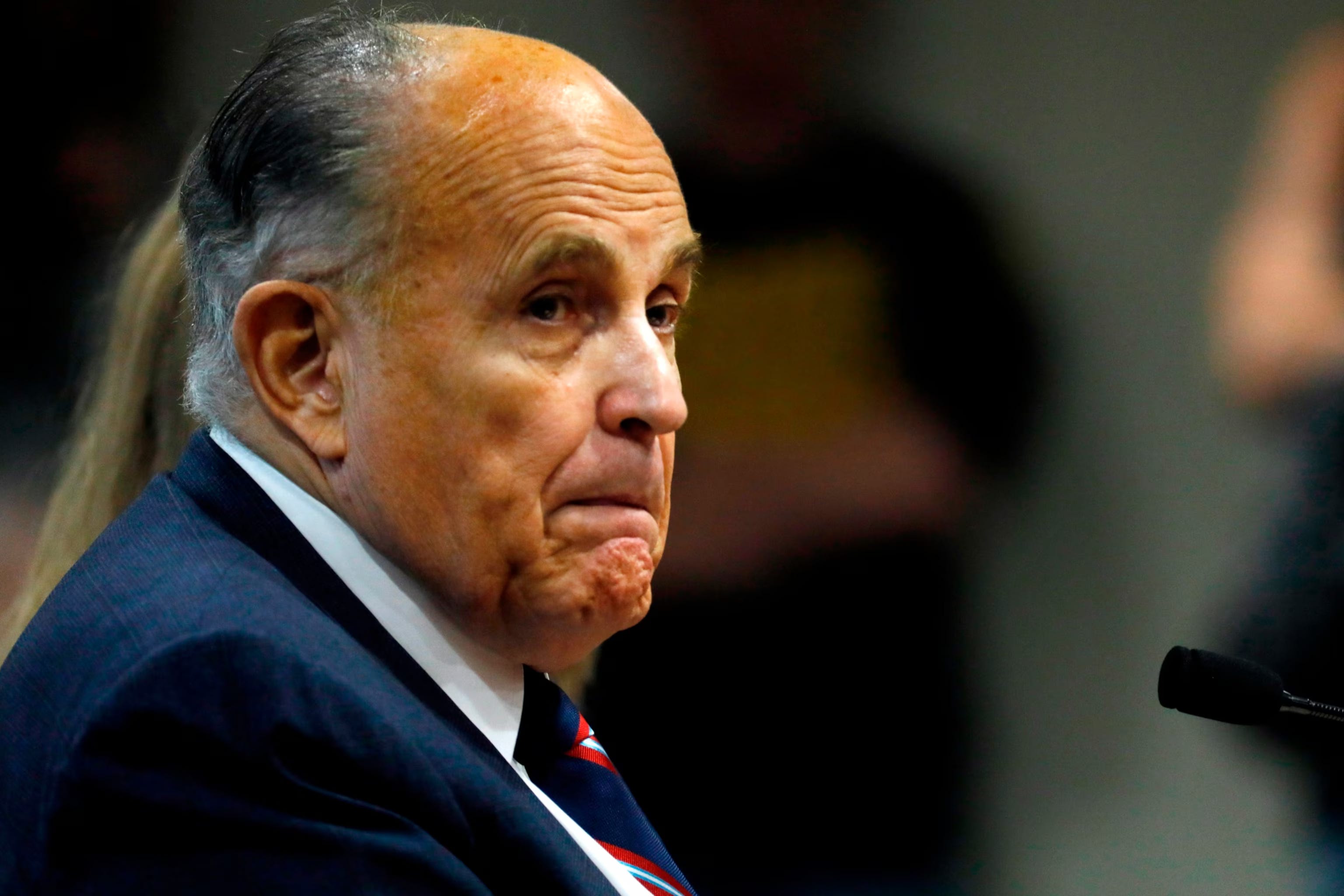
Following a weekend where Trump and Republicans across the country came face-to-face with Americans’ displeasure at the President’s second term, the President announced a pardon for his former personal lawyer and a dozen other people in his circle accused of trying to overturn the results of the 2020 election.
The disgraced attorney, however, is not absolved of any wrongdoing here. The President can only pardon offenders from federal crimes, and all of Giuliani’s charges, in addition to the rest of the recipients, were charged on state-level offenses.
Ed Martin, U.S. Pardon Attorney for the DOJ, posted a proclamation signed by Trump on November 7 to X early this morning claiming that an end to a “grave national injustice,” was the result of such pardons, and continues an age of “national reconciliation.”
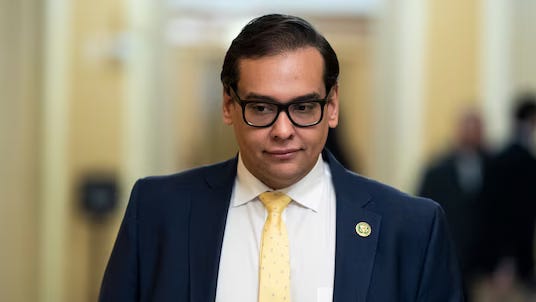
While controversial, the President has not shied away from such attention throughout his second term, as this round of pardons follows a series of pardons for his allies and supporters, most notably his pardon of January 6 insurrectionists on his first day back in office, and more recently disgraced former U.S. Representative George Santos and ex-cryptocurrency exchange CEO Changpeng “CZ” Zhao, who Trump told 60 Minutes he did not know at the time of the pardoning.
Professor of constitutional law at Stanford University Bernadette Meyler called these pardons “insider pardon[s],” to NPR, referencing the intimate personal and political connections President Trump has had with a majority of his pardon recipients, while acknowledging that President Biden does in fact hold the record for most pardons, with 4,245 acts of clemency granted from 2021-2025.
While these pardons have stirred anger among Americans, it is of very little shock that Trump has chosen to go this route.
Amid a presidency marred by a “flood the zone,” strategy that has taken over headlines, trying to undo many of the acts carried out by former-President Biden’s administration, and trying to manifest the mandate Trump claims he won in the 2024 election, Trump has yet to claim any responsibility for the January 6 storming of the U.S. Capitol.
Most presidents wait until the end of their second term to grant pardons that may have bad political implications for them or their party, but Trump has bucked the trend, similar to his behavior in his first term.
While these pardons are controversial in nature, as are any pardons, this likely does not mark the end for Trump. The President still has three more years in office and is not worried about re-election, opening the door to pardon more allies, and maybe even himself, as he has entertained before.